Studio vs On-Location Shoot (Hyderabad): Budget, Speed, Quality, and Results
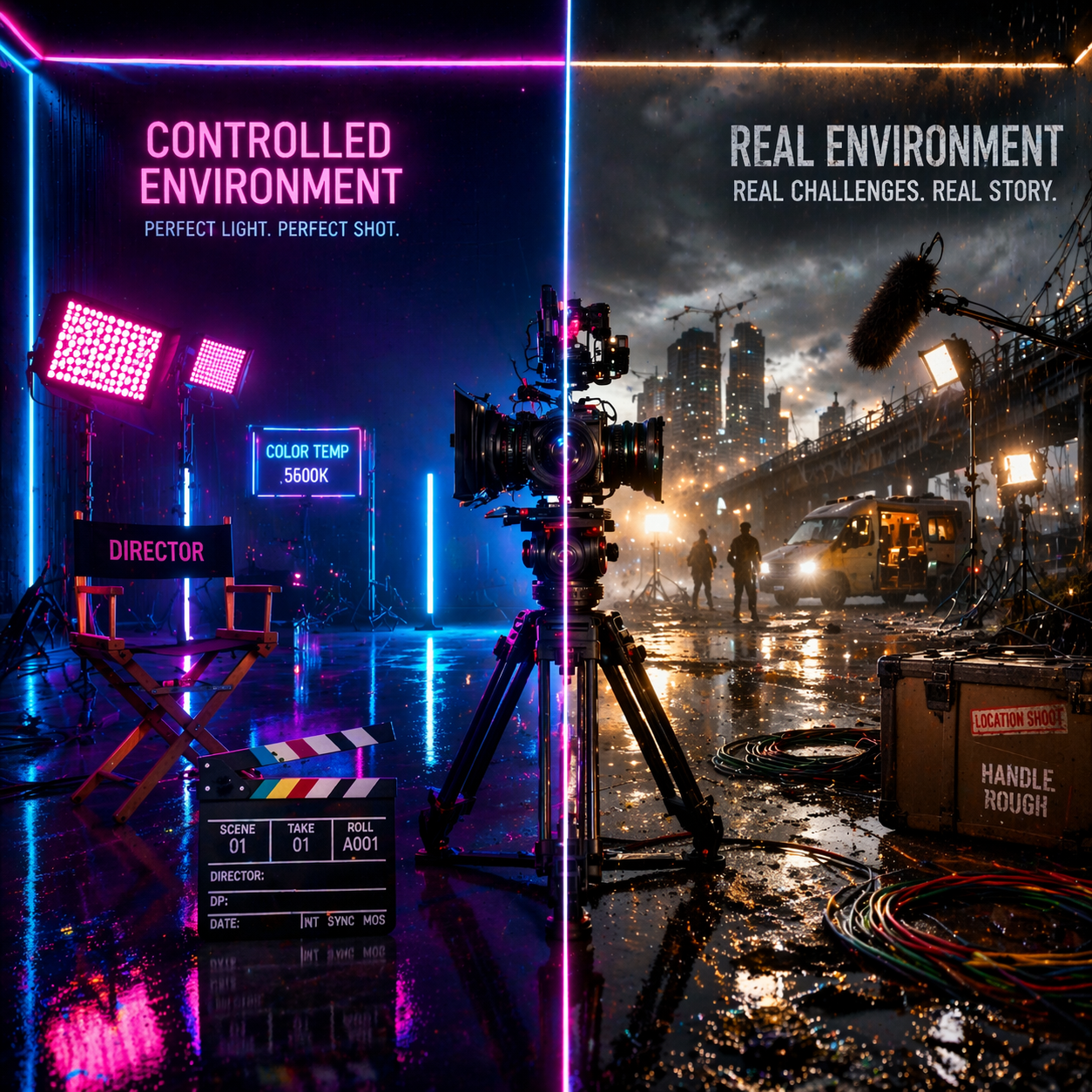
BLUF: Studio vs On-Location Shoot helps brands in Hyderabad move faster with less guesswork. video production Hyderabad. This guide explains what it is, why it matters, how to do it well, and how Xentrox can help you turn it into a working system. It also shows the common mistakes, the simple fixes, and the next action you can take today. Contact Xentrox if you want this built as a real growth system.
01 // What It Is
Studio vs On-Location Shoot is a clear system that helps brands in Hyderabad get a better result. In simple words, it helps people find you, trust you, and take the next step with less doubt.
Many teams think studio vs on-location shoot is one small trick. It is not. It works when message, page, proof, and follow-up all match. When those parts match, the whole system feels easy.
Studio vs On-Location Shoot works best when it is easy to understand, easy to trust, and easy to act on in Hyderabad. This is why the topic matters now. Buyers move fast. Search tools move fast. AI tools move fast too. Your page has to be clear at first glance.
02 // Why It Matters
This matters in Hyderabad because buyers have many options. They will not study every page. They scan. They compare. Then they act on the page that feels simple and safe.
A long post helps when it removes fear one step at a time. It answers the basic question, then the deeper question, then the final question that stops the sale. This is how trust grows.
Picture a buyer in Hyderabad. They have a problem, little time, and many choices. The clearest brand wins. When a page gives that kind of clarity, it does more than rank. It helps real people make a choice with confidence.
03 // Search Terms This Guide Supports
This guide is built to match the words real buyers use when they look for help. We use one main keyword, then support it with close keyword variations that mean almost the same thing.
The goal is not stuffing. The goal is clarity. When the page naturally covers the problem, service, and city, it can match more useful searches without sounding forced.
Primary Keyword
- video production Hyderabad
- corporate video production Hyderabad
- brand video production Hyderabad
- explainer video Hyderabad
- event video production Hyderabad
Support Keywords
- video production Hyderabad
- corporate video production Hyderabad
- brand video production Hyderabad
- explainer video Hyderabad
- event video production Hyderabad
Long-Tail Keywords
- video production services in Hyderabad
- best corporate video production Hyderabad
- studio vs on-location shoot Hyderabad
- studio vs on-location shoot for businesses in Hyderabad
- video production company Hyderabad
04 // Hyderabad Keyword Combinations
If your real sales goal is Hyderabad, add local service language in useful places. The city should sit next to the service, not be dropped in every line without a reason.
These keyword combinations help the page support local intent while still reading like normal English.
- video production Hyderabad
- corporate video production Hyderabad
- brand video production Hyderabad
- explainer video Hyderabad
05 // How It Works
Most winning pages follow the same path. First, they say the main answer in plain words. Next, they explain the problem. Then, they show a simple plan. Last, they ask the reader to act.
That order works because the brain likes simple steps. When the page jumps around, people feel lost. When the page moves in a clean line, people stay longer and understand more.
For content and production, the work does not end at the shoot. The asset needs a home, a short summary, proof, and a smart place on the website so it can keep working.
06 // Simple Step-by-Step Plan
A good system feels simple when you break it into small parts. Use these steps in order. Do not skip to the last step too early.
Step 1: Start with the buyer goal
Before you shoot, decide what the viewer must feel, learn, or do after they watch.
Step 2: Build one strong asset
Make one clear hero asset, not ten weak ones. Strong raw work is easier to cut into more formats later.
Step 3: Publish with context
Add summary text, key points, and FAQs on the page so the asset does not sit alone.
Step 4: Repurpose and measure
Cut the main asset into shorter pieces, move them to the right channels, and track the action they create.
07 // Practical Checklist
This checklist keeps the work grounded. It helps you move from idea to page without losing clarity.
- Write the main promise for brands in Hyderabad in one short line.
- Keep the first screen simple and useful. Do not hide the point.
- Use headings that sound like answers, not vague labels.
- Add real proof. Show examples, results, screenshots, or process notes.
- Use short paragraphs so the page feels light and easy to scan.
- Link to related pages so the reader has a next step if they want more depth.
- Keep one primary CTA. A page should ask for one clear move.
- Review the page with fresh eyes and cut any line that sounds vague.
- Write a short summary or transcript so the visual asset has text support.
- Plan the cut-down versions before the main shoot so one asset becomes many assets.
Each line in the checklist has one job. Keep the job small. Simple work is easier to finish, easier to test, and easier to improve.
Most teams fail because they build a big plan and never finish the basics. Finish the basics first. The basics create the lift.
08 // What Good Execution Looks Like
A strong page does not feel clever. It feels calm. The reader knows where they are, what the page is about, and what to do next. That calm feeling is not luck. It comes from good structure.
The top of the page gives the answer. The middle of the page gives the proof. The end of the page gives the push. This pattern works in search, in content, and in sales.
It also helps teams work faster. When the outline is strong, it is easier to write, easier to design, and easier to review. Good structure saves time across the whole workflow.
09 // What To Put On The Page
Most weak pages miss the same basic parts. They skip the simple answer. They hide proof. They forget the next step. A strong page fixes all three. It gives the answer first, then proof, then action.
Use a short intro, a clean problem section, a step-by-step plan, and a proof block that feels real. If you have screenshots, visuals, or examples, place them near the claim they support. That makes the page feel honest.
End the page with clear FAQs and one strong CTA. This matters because many readers do not act on the first screen. They act after they feel safe. The bottom of the page is where that safety is often built.
10 // Real Example
Picture a buyer in Hyderabad. They have a problem, little time, and many choices. The clearest brand wins.
Now picture that page with a short answer, a strong example, a few simple steps, and proof that matches the claim. That page feels safe. It lowers doubt and increases action.
This is also why long-form content can work so well. A short post can raise interest. A deep post can finish the trust job. When both work together, the buyer moves with less friction.
11 // Hyderabad Implementation
If you want this to work in Hyderabad, keep the examples close to the real buyer. Use local language only where it adds clarity. Do not stuff place names into every line. One clear local signal per section is enough.
Use proof that feels true for the market. Local buyers trust pages that show real service fit, clear process, and a direct contact path. They do not trust vague claims or over-designed language.
When the page is ready, connect it to the rest of the site. Link it to